March 23rd, 2009 by plrposter
Hydrophonic Gardening
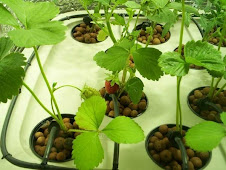
Gardening has been considered to be one of the most therapeutic rewards for North Americans.You will feel very happy and rewarded since gardening stimulates your senses. Hydroponics is the growing of plants without the use of soil. A variety of hydroponic gardening techniques exist and just about any plant can be grown with hydroponics. Hydroponic gardening is considered to be quite easy and many teachers use this method of gardening with their students when working on science projects.
There are a variety of benefits associated with hydroponic gardening. When plants are grown using hydroponics, the roots do not need to search for required nutrients. The nutrient solution is provided directly to them, which results in plant growth, which is more abundant.The use of hydroponics in an outdoor garden helps to add intrigue and interest.The right time to experiment with the various types of hydroponic cultivation is during the summer time due to the natural conditions available outdoors.Hydroponics benefits annual flowers, fruits, herbs, and vegetables.
You can control growing factors such as temperature, humidity, and light with the use of hydroponics. Since there is no soil, there is less maintenance involved with hydroponics.The concern over soil borne diseases or pests is almost eliminated and weeding is not required.Not all soil less cultures is considered hydroponics even thought hydroponics is always a soil less culture.The nutrient solutions that are mandatory for hydroponics are not used by many of these cultures. There are two main types of hydroponics, which are solution culture and medium culture.Solution culture does not use a solid growing medium for the roots, but it does use a nutrient solution. The medium culture has a sound growing base for the roots such as perlite, gravel, or sand culture.With the different ways that a nutrient solution is supplied to the plants creates multiple ways that hydroponic plants can be grown.
Read more.....
Monday, March 23, 2009

Monday, March 16, 2009
Is this true?
I've just come across this tip for getting your trees going in the spring. Take a baseball bat and give them a good whack! Apparently, this will stimulate the running of the sap inside the tree and will get it growing faster. Amazing but true?!
Thursday, March 12, 2009
Heirloom Vegetables
Taken from Wikipedia:
"An heirloom plant, heirloom variety, or (especially in the UK) heirloom vegetable is a cultivar that was commonly grown during earlier periods in human history, but which is not used in modern large-scale agriculture. Many heirloom vegetables have kept their traits through open pollination, while fruit varieties such as apples have been propagated over the centuries through grafts and cuttings. The trend of growing heirloom plants in gardens has been growing in popularity in the United States and Europe over the last decade.
Before the industrialization of agriculture, a much wider variety of plant foods was grown for human consumption. In modern agriculture in the industrialized world, most food crops are now grown in large, monocultural plots. In order to maximize consistency, few varieties of each type of crop are grown. These varieties are often selected for their productivity, their ability to withstand mechanical picking and cross-country shipping, and their tolerance to drought, frost, or pesticides. Heirloom gardening can be seen as a reaction against this trend.[citation needed] In the Global South, heirloom plants are still widely grown, for example in the home gardens of South and Southeast Asia, although their future is uncertain.
Heirloom growers have different motivations. Some people grow heirlooms for historical interest, while others want to increase the available gene pool for a particular plant for future generations. Some select heirloom plants due to an interest in traditional organic gardening. Many simply want to taste the different varieties of vegetables, or see whether they can grow a rare variety of plant."
"An heirloom plant, heirloom variety, or (especially in the UK) heirloom vegetable is a cultivar that was commonly grown during earlier periods in human history, but which is not used in modern large-scale agriculture. Many heirloom vegetables have kept their traits through open pollination, while fruit varieties such as apples have been propagated over the centuries through grafts and cuttings. The trend of growing heirloom plants in gardens has been growing in popularity in the United States and Europe over the last decade.
Before the industrialization of agriculture, a much wider variety of plant foods was grown for human consumption. In modern agriculture in the industrialized world, most food crops are now grown in large, monocultural plots. In order to maximize consistency, few varieties of each type of crop are grown. These varieties are often selected for their productivity, their ability to withstand mechanical picking and cross-country shipping, and their tolerance to drought, frost, or pesticides. Heirloom gardening can be seen as a reaction against this trend.[citation needed] In the Global South, heirloom plants are still widely grown, for example in the home gardens of South and Southeast Asia, although their future is uncertain.
Heirloom growers have different motivations. Some people grow heirlooms for historical interest, while others want to increase the available gene pool for a particular plant for future generations. Some select heirloom plants due to an interest in traditional organic gardening. Many simply want to taste the different varieties of vegetables, or see whether they can grow a rare variety of plant."
Monday, March 9, 2009
Growing Organic Food in the City
For city-dwellers living in condos and apartment buildings, organic gardening is still an option.
You can grow beans and tomatoes in flower pots instead of flowers. There are people growing huge gardens on the rooftops of buildings, erecting plastic coverings so essentially making greenhouses. The qualtity of vegetables grown is excellent and taste, far beyond anything in the store that's been stored for a couple of years and then shipped hundreds of miles.
You don't have to be in the country to grow vegetables of the highest quality.
You can grow beans and tomatoes in flower pots instead of flowers. There are people growing huge gardens on the rooftops of buildings, erecting plastic coverings so essentially making greenhouses. The qualtity of vegetables grown is excellent and taste, far beyond anything in the store that's been stored for a couple of years and then shipped hundreds of miles.
You don't have to be in the country to grow vegetables of the highest quality.
Friday, March 6, 2009
Urban Gardens
"As the economic depression worsens, every day there is more and more new urban gardening news; this time from Flint, Michigan where urban gardeners are looking at some 2,477 vacant residential lots in the city. They want to fill them with vegetable gardens to feed the growing numbers of hungry, out of work people. The urban gardens would also create new business opportunities and improve people’s lives for people who are hurting ecomomically."
Read more
Read more
Tuesday, March 3, 2009
Worldwide Hydroponics
Growing greenhouse vegetables is one of the most exacting and intense forms of all agricultural enterprises. In combination with greenhouses, hydroponics is becoming increasingly popular, especially in the United States, Canada, Western Europe, and Japan. It is high technology and capital intensive.
It is highly productive, conservative of water and land and protective of the environment. For production of leafy vegetables and herbs, deep flow hydroponics is common. For growing row crops such as tomato, cucumber, and pepper, the two most popular artificial growing media are rockwool and perlite.
Computers today operate hundreds of devices within a greenhouse by utilizing dozens of input parameters, to maintain the most desired growing environment. The technology of greenhouse food production is changing rapidly with systems today producing yields never before realized. The future for hydroponic/soilless cultured systems appears more positive today than any time over the last 50 years.
Read more....
It is highly productive, conservative of water and land and protective of the environment. For production of leafy vegetables and herbs, deep flow hydroponics is common. For growing row crops such as tomato, cucumber, and pepper, the two most popular artificial growing media are rockwool and perlite.
Computers today operate hundreds of devices within a greenhouse by utilizing dozens of input parameters, to maintain the most desired growing environment. The technology of greenhouse food production is changing rapidly with systems today producing yields never before realized. The future for hydroponic/soilless cultured systems appears more positive today than any time over the last 50 years.
Read more....
Thursday, February 26, 2009
How to Grow Healthy Food
To grow healthy food, you literally have to start at rock bottom. No matter what you're growing, from chickpeas to chickens, the truth is that you are what they eat!
It's no secret that all life begins with the soil. Although it may look like dirt to the naked eye, organically rich soil is a living, breathing community of microorganisms. These little denizens of the dirt are born, grow, breed, give birth and die leaving an estate of nutrition-filled remains to the soil. While they live, many of these little critters feed on undesirable elements like harmful bacteria. A good balance is very important if you want to grow healthy food
Every year, gardeners spend thousands of dollars on chemical fertilizers, pesticides, and herbicides that are little more than a quick fix to gardening problems and create long-term health hazards for everyone, from humans to single-celled organisms in the soil. If you really want to grow healthy food, the first step is to keep your underground colony in good health.
You need to do two things to maintain healthy soil. The first is to keep out of the chemicals. The second is to add rich organic matter to your soil at regular intervals.
Keep out of the chemicals
No matter what amount of chemical you use in your gardening, a drop is a deluge to a microorganism. More to the point, most chemicals don't fade away. They leech into your garden and wait to attach to some growing thing… like your plants. One example is a gardener who claims to grow organic apples. He doesn't spray his trees, but he does use a chemical "weed & feed" application on his lawn, seemingly unaware of the systemic consequences of using chemicals. Of course his apple trees take their nourishment from the soil. Sometimes chemicals seem convenient, but when it comes to growing healthy food they are a definite no-no!
Read more...
It's no secret that all life begins with the soil. Although it may look like dirt to the naked eye, organically rich soil is a living, breathing community of microorganisms. These little denizens of the dirt are born, grow, breed, give birth and die leaving an estate of nutrition-filled remains to the soil. While they live, many of these little critters feed on undesirable elements like harmful bacteria. A good balance is very important if you want to grow healthy food
Every year, gardeners spend thousands of dollars on chemical fertilizers, pesticides, and herbicides that are little more than a quick fix to gardening problems and create long-term health hazards for everyone, from humans to single-celled organisms in the soil. If you really want to grow healthy food, the first step is to keep your underground colony in good health.
You need to do two things to maintain healthy soil. The first is to keep out of the chemicals. The second is to add rich organic matter to your soil at regular intervals.
Keep out of the chemicals
No matter what amount of chemical you use in your gardening, a drop is a deluge to a microorganism. More to the point, most chemicals don't fade away. They leech into your garden and wait to attach to some growing thing… like your plants. One example is a gardener who claims to grow organic apples. He doesn't spray his trees, but he does use a chemical "weed & feed" application on his lawn, seemingly unaware of the systemic consequences of using chemicals. Of course his apple trees take their nourishment from the soil. Sometimes chemicals seem convenient, but when it comes to growing healthy food they are a definite no-no!
Read more...
Subscribe to:
Posts (Atom)